No desert codenames this time, the new release of Android will simply be known as Android 10.
The code will be appearing more widely on devices later this year, but Android 10 will begin rolling out, via an over-the-air update, to three generations of Google’s own Pixel phones (Pixel 3 and 3a, Pixel 2 and Pixel).
Google says all Pixel devices will get the update over the next week, including those enrolled in this year’s Beta program. Partner OEMs will take longer to roll out the updates – new versions of Android are notoriously slow to reach a wider ecosystem.
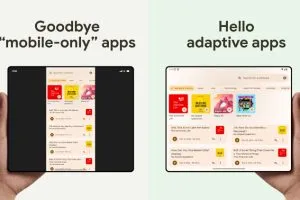
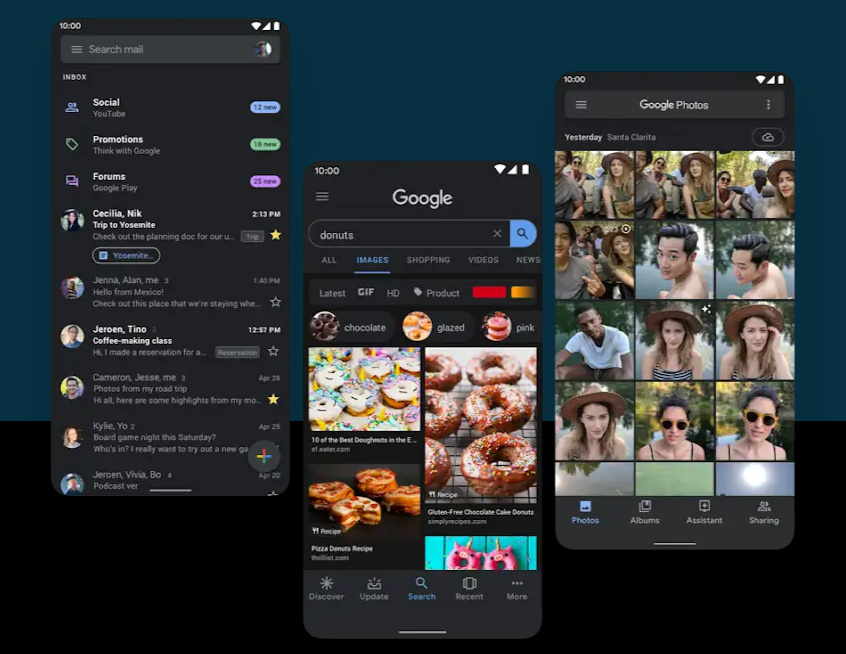
Main features of Android 10 include new audio and video codecs, improved Wi-Fi support, support for foldable screen devices and 3D graphics, finer grained permissions and more privacy protection (pictured above), dynamic depth formats for photos (pictured below), a system-wide dark theme for low light operation, and gesture navigation.

AOSP
Android 10 has also been officially released to the Android Open Source Project (AOSP).
This is a repository of information and source code needed to create custom variants of the Android OS, which is open source. What it doesn’t include are the all-important Google Play Services – the central glue that makes core Google functionality available. Think Google Maps and the Play store.
“Today we’re releasing the Android 10 source code to AOSP and making it available to the broader ecosystem,” said Stephanie Cuthbertson, Google’s Senior Director of Product Management for Android.
“We’re also starting the official Android 10 rollout to all three generations of Pixel devices worldwide. Many partner devices, including those in the Beta program, will receive the update by the end of the year.”
Developers can find out more at developer.android.com/10
Beta
During Beta testing, Google reports, 200,000 people tested early releases on 26 different devices, reporting 20,000 distinct issues.
“As the mobile ecosystem evolves, Android is focused on helping users take advantage of the latest innovations, while making sure users’ security and privacy are always a top priority,” said Dave Burke, Google’s VP of Engineering, back in March.
“Building on top of efforts like Google Play Protect and runtime permissions, Android Q brings a number of additional privacy and security features for users, as well as enhancements for foldables, new APIs for connectivity, new media codecs and camera capabilities, NNAPI extensions, Vulkan 1.1 support, faster app startup, and more.”
See also: Google preps Android Q with Beta 4 and final APIs
See also: Google, and the disappearing case of open source Android