Memristor + touch sensor for energy-efficient memory

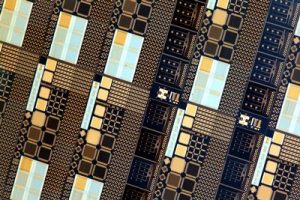
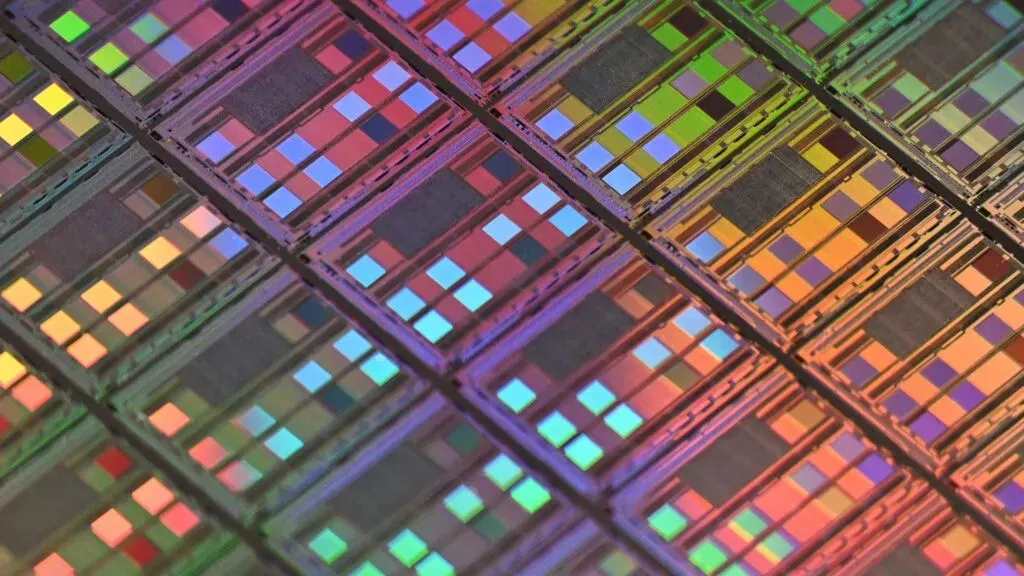
A research team led by Massachusetts University has integrated a touch sensor with a memristor for a device that only  only processes data around pixels that contain a signal while ignoring irrelevant background noise.

Memristor + touch sensor for energy-efficient memory

“When you write, it’s only a very small portion [of pixels] that are involved,” said Qiangfei Xia, the Dev and Linda Gupta professor in the Riccio College of Engineering at UMass Amherst. “You do not have to process all the information you got from the entire screen, only those pixels you’re writing on.”

Their proof-of-concept sensor system can currently recognise patterns with 87% to 92% accuracy, faster and more energy-efficiently than traditional computational methods, he said.


The technology could also be applied to event-based visual sensors like traffic cameras. “During the daytime, it’s very busy. It makes a lot of sense,” Xia said. “But at 2 a.m., there is less traffic. If you keep doing 30 frames per second, you are wasting a lot of resources.”


Read all our Sensor stories.

David Manners

David Manners

David Manners has more than forty-years experience writing about the electronics industry, its major trends and leading players. As well as writing business, components and research news, he is the author of the site's most popular blog, Mannerisms. This features series of posts such as Fables, Markets, Shenanigans, and Memory Lanes, across a wide range of topics.

Leave a Reply

Your email address will not be published. Required fields are marked *

*