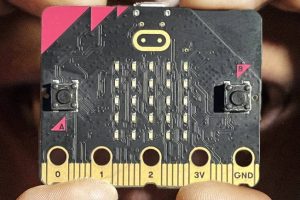
MIRL stands for the micro:bit Innovation and Research Lab. Its work will centre on the BBC micro:bit, 11 million of which have been distributed in the last decade. The pocket-sized programmable computer, it is estimated, has now been used by 66 million children in 85 countries.
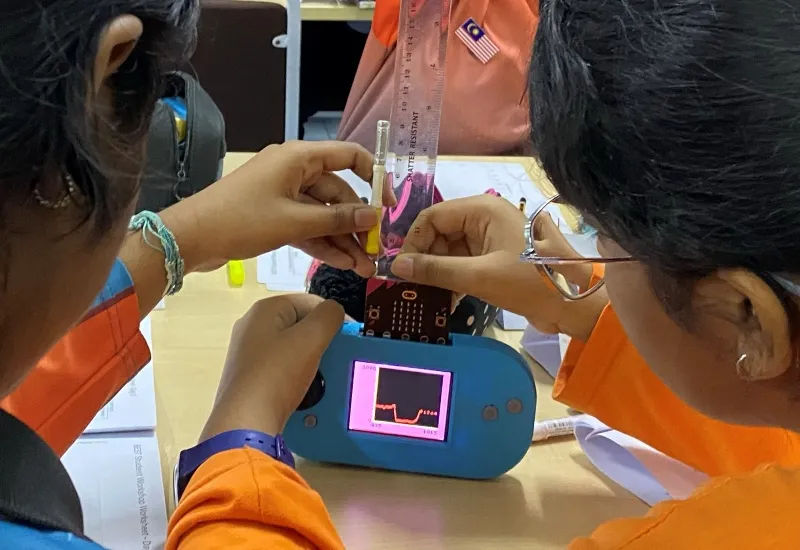 The hub will will work on the evolution of the device. And will also carry out research on the benefits of teaching with the micro:bit, to explore new applications.
“The micro:bit has been hugely successful over the last decade,” said Lancaster’s Distinguished Professor and Director of MIRL, Steve Hodges. “It’s engaged millions of young people from all around the world, from here in the UK to the Amazon Rainforest. Time and again, we see it sparking their interest in learning digital skills.”
MIRL will be based in InfoLab21, which is the home of Lancaster University’s School of Computing and Communications.
“As the digital landscape evolves at an ever-increasing pace and we look to the next ten years of the micro:bit and physical computing, it’s vital that we continue innovating, researching and developing exciting new ways to capitalise on and adapt this amazing digital educational platform,” added Hodges.
The homepage for MIRL can be found on the Lancaster University website.
“MIRL will bring together all the incredible people across the world who are delivering cutting-edge research around micro:bit, and also help us to explore new tech approaches for physical computing,” said Gareth Stockdale, CEO of the micro:bit Educational Foundation.
“By building this community with Lancaster University, we hope to consolidate and supercharge our understanding and development of the micro:bit.”
The university was the sole academic institution involved with developing the micro:bit. It created the device’s run-time operating system. And it also helped deliver the hardware and shaped the coding experience.
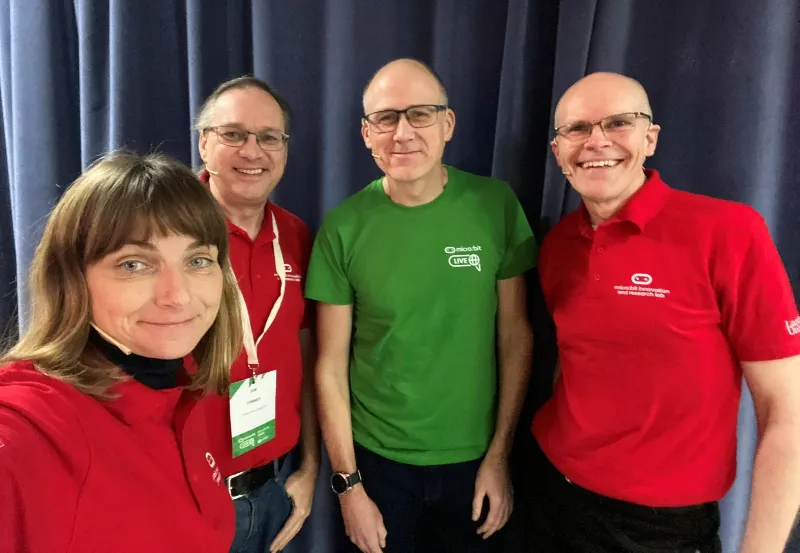
Images: Micro:bit Educational Foundation (top) L-R: Elisa Rubegni, Joe Finney, Gareth Stockdale (Micro:bit Educational Foundation), Steve Hodges; (bottom) Elisa Rubegni / Micro:bit Educational Foundation
See also: Lancaster University wins Queen Elizabeth Prize for micro:bit