The satellites were deployed into low Earth orbit (LEO) and will now begin initial commissioning and in-orbit testing.
ERMIS-1 and ERMIS-2 are part of the ERMIS CubeSat constellation, a national program led by the National and Kapodistrian University of Athens (NKUA) in collaboration with the Hellenic Space Centre.
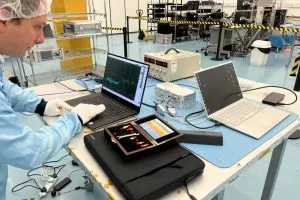
OQ Technology designed, built, assembled, integrated, and tested the two satellites.
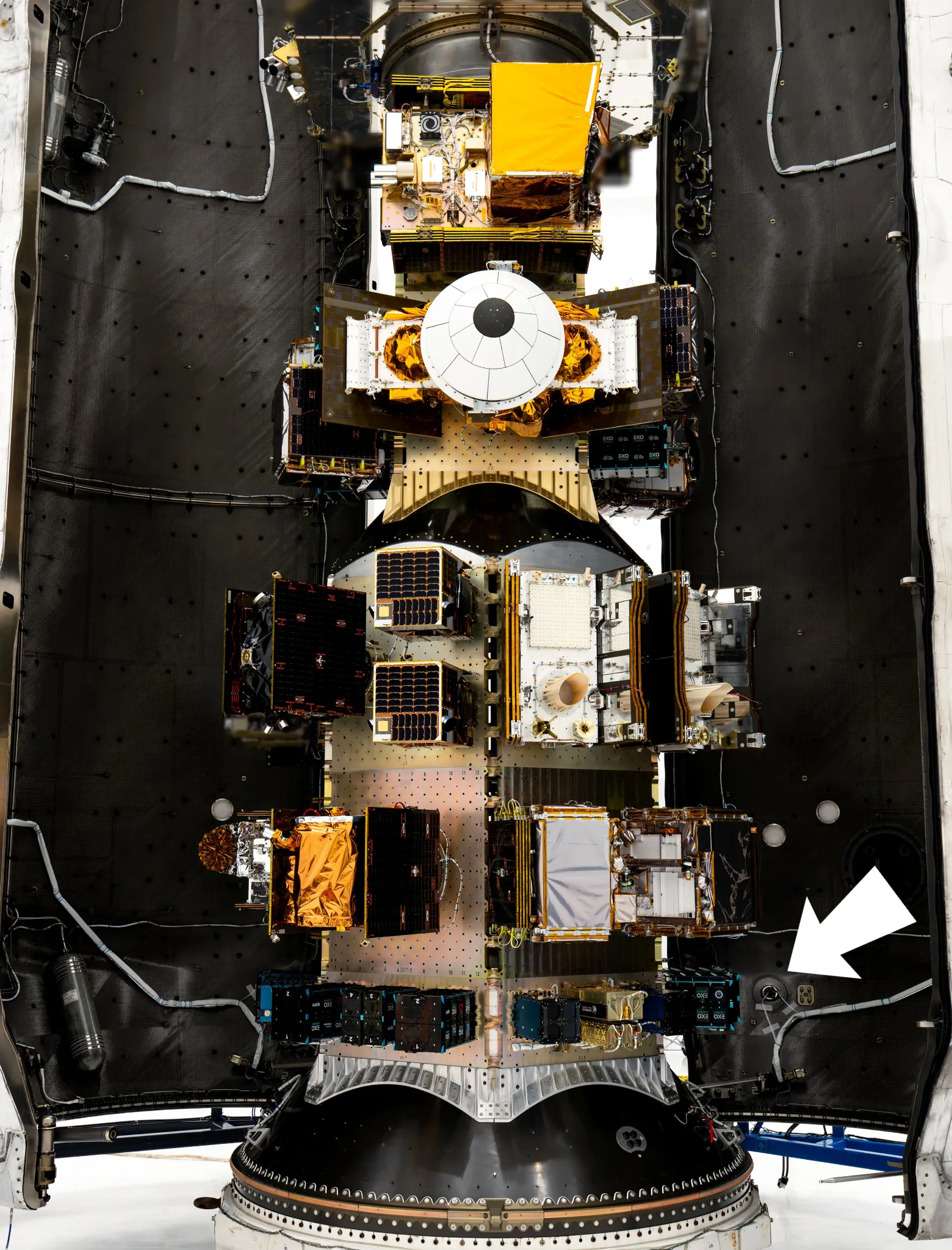
The satellites will be used in conjunction with the OQ Technology fleet to provide 5G NTN IoT service and D2D emergency broadcast messaging directly to smartphones in Europe and beyond.
OQ Technology became the first European sovereign D2D satellite operator after it successfully managed to broadcast messages directly to smartphones in Europe from its LEO satellites.
It has plans to launch more capable satellites offering two-way messaging and eventually voice using unmodified smartphones.
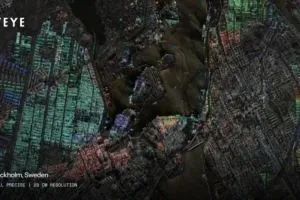
The satellites are designed to support a range of advanced applications including standard-based satellite IoT, direct-to-device (D2D) and 5G Non-Terrestrial Networks (NTN) connectivity, as well as high-resolution Earth observation and optical communications.
In addition, the ERMIS mission has the potential to support emergency broadcast and public warning capabilities from space, enabling authorities to deliver critical alerts and emergency communications directly to compatible devices and remote areas when terrestrial networks are unavailable, congested, or disrupted. This capability could play an important role in disaster response, civil protection, maritime safety, and national resilience.