TI connects Nvidia physical AI compute to real-world applications with deterministic control, sensing, power and safety at every joint and subsystem. This partnership will help developers move faster from virtual development to production-ready, scalable and safety-compliant systems.
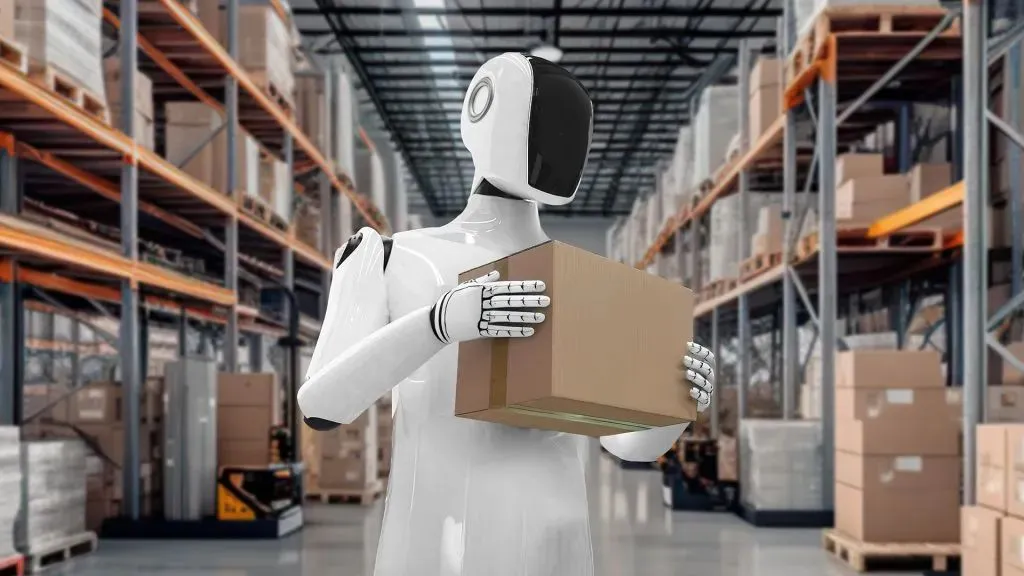
As part of this collaboration, TI designed a sensor fusion solution by integrating its mmWave radar technology with Nvidia Jetson Thor using Nvidia Holoscan Sensor Bridge to enable low-latency, 3D perception and safety awareness for humanoid robots.
“This integrated approach will help accelerate the evolution from prototypes to commercially viable humanoid robots operating safely alongside humans,” said TI’s Giovannu Campanella.
Nvidia’s vice-president of robotics, Deepu Talla, said: “The integration of Texas Instruments’ sensing and power management technologies with the Nvidia Jetson Thor platform provides developers with a functional safety-capable foundation to accelerate the deployment of next-generation physical AI.”
TI’s mmWave radar sensor, IWR6243, connected via Ethernet to Nvidia Jetson Thor, enables scalable low-latency, 3D perception and safety awareness for physical AI applications.
By fusing camera and radar data, the solution improves object detection, localisation and tracking while reducing false positives for confident, real-time decision-making in humanoid robots.
This approach enables human-like perception that works reliably in challenging conditions – from low light and bright glare to fog and dust indoors and outdoors – and addresses a critical safety gap that has limited real-world deployment of humanoid robots.
For example, while cameras may not reliably detect glass doors or reflective surfaces, radar provides consistent detection of these transparent obstacles, enabling smooth navigation in places such as office buildings, hospitals and retail environments.