Car companies are reported to have been asked by Whitehall for their production plans for battery electric vehicles and plug-in hybrid electric vehicles between now and 2035.
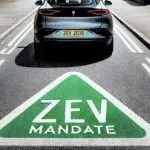 “We recognise manufacturers are facing challenges, but we’ve shown we are adaptable before, and are beginning conversations to inform the planned review of the ZEV mandate, to be published by early 2027,” says a government statement.
In 2024 ZEV required 22% of a company’s new car sales to be zero emission. In 2025 the percentage was increased to 28%. This year it was increased to 33%.
In 2029 the percentage will be 80% if no revision occurs, and in 2030 the sale of internal combustion engine (ICE) cars is due to be banned, though hybrids would be allowed until 2035.
A penalty of £12k will be payable on every ICE car sold which is over the quota.
Last year UK car production fell to its lowest level for 72 years. ZEV has been blamed. In February 2026 production fell 17%.
The EU has scrapped its proposed ban on ICE vehicles so long as they meet emissions standards, which car companies plan to achieve by using e-fuels, bio fuels and low carbon steel.
In 2020 the then British prime minister Boris Johnson announced the 2030 date for banning ICE cars. Then a later prime minister, Rishi Sunak, changed that to 2035 and the present government put it back to 2030.